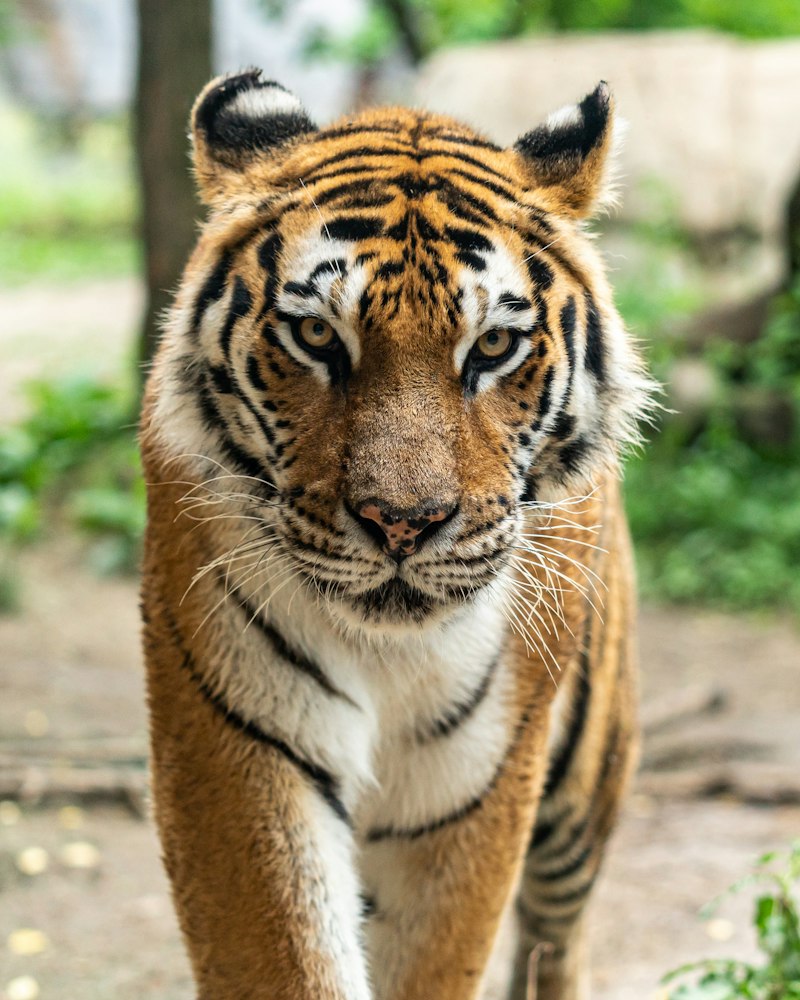
The latest national census confirms Nepal's wild tiger population has surpassed 355 individuals — a nearly threefold increase from 2009. We dive into the science and community efforts behind this success.
Nepal has achieved a milestone that many thought impossible at the start of the century. The 2025-2026 National Tiger Census reveals that the country's wild tiger population has reached 355 individuals — a staggering leap from the 121 recorded in 2009. This achievement makes Nepal the first country to meet the global goal of doubling tiger numbers by 2022, and then some.
A Global Conservation Model
This success isn't an accident. It is the result of a multi-pronged approach that combines strict anti-poaching enforcement, habitat corridor restoration, and deep community engagement. Nepal's community forestry model, which gives local villagers ownership of buffer zone forests, has been instrumental in reducing human-wildlife conflict. By seeing tigers not as a threat but as a sign of a healthy ecosystem that supports their own livelihoods, local communities have become the foremost guardians of the jungle.
The Science of Tracking
The census was conducted using a colossal grid of camera traps spanning over 4,000 square kilometers across five national parks. "Every tiger has a unique stripe pattern, much like a human fingerprint," explains Dr. Asha Gurung. "By individually identifying 355 tigers, we can monitor their health, movement, and social structures with unprecedented precision." DNA analysis from scat samples also confirms healthy genetic diversity, suggesting natural gene flow between Nepalese and Indian populations.
Challenges Remain
Despite the celebration, new challenges are emerging. Climate change is altering prey distribution patterns, forcing tigers to move into new territories where they may come into closer contact with humans. Furthermore, the rapid expansion of infrastructure, including roads and transmission lines, poses a risk of habitat fragmentation. "We cannot afford to be complacent," says Dr. Gurung. "Securing the future for tigers means securing the entire web of life that they represent."